|
|
|
|
Ever wished ChatGPT could just handle your recurring work without you asking every time? This week, that became real.
OpenAI rolled out an update that lets ChatGPT run scheduled tasks on its own. Plus, Google put AI video & music creation right on your Pixel phone, and we settle the Codex vs. Claude Code debate.
In This Issue:
- 💥Big News: ChatGPT now runs scheduled tasks for you, plus AI video & music lands on Pixel
- ✨Weekly Spotlight: Codex vs. Claude Code, & why the smart move is running both together
- 🔥Trending Tools: Fresh releases for AI agents, job hunting, video editing & dev work
- 🛠️Deep Dives: Hands-on looks at AI e-commerce, privacy-first surveys & visual product discovery
|
💥 Big News
OpenAI just rolled out Scheduled Tasks, a feature that lets ChatGPT handle work for you automatically, even when you're not in the app. You tell it what to do and when, and it shows up. Think daily briefings, weekly research digests, or alerts when something you're tracking changes.
A new Scheduled page in the sidebar gives you one place to see everything you've queued up, with options to pause, edit, or delete any task. You can schedule things for a specific time or a general window, like 'morning' or 'evening.' Monitoring tasks can search the web or your connected apps and only notify you when there's actually something worth seeing.
It's rolling out now to Go, Plus, Pro, Business, and Enterprise users on web and mobile. 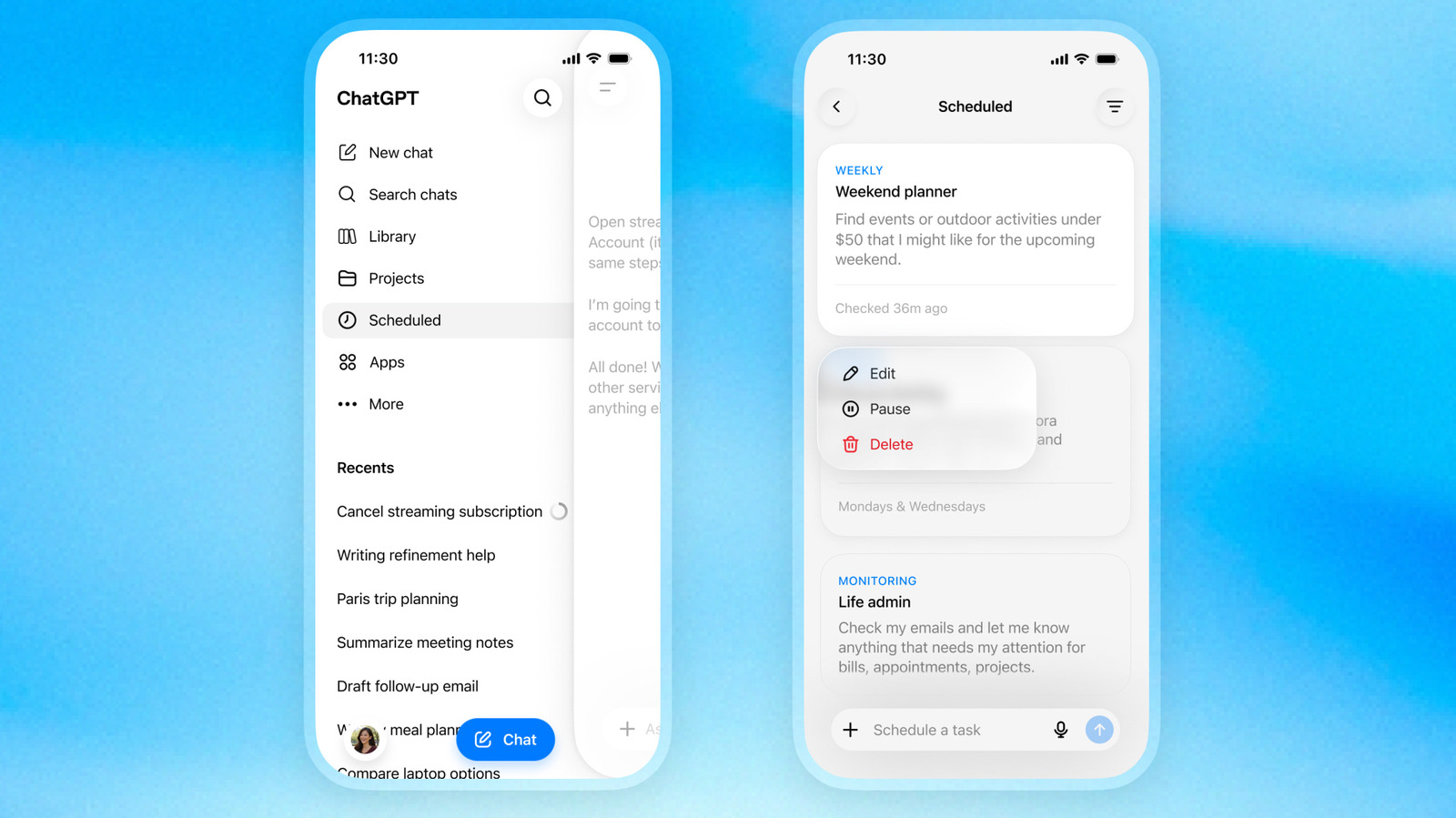
Why it matters:
- ChatGPT can now handle recurring work and monitoring on its own, without you having to ask each time
- A new Scheduled page keeps all your tasks in one place so nothing slips through the cracks
- Monitoring tasks search the web & connected apps for you and only alert when there's something worth seeing
Read more →
Google just shipped Android 17 alongside a Pixel Drop that puts two new AI creative tools on your phone. Gemini Omni lets you generate and edit video by having a conversation, blend photos and clips, and even drop yourself in as a custom AI avatar. Lyria 3 takes a text prompt or a photo and turns it into an original song, with controls for vocals, style, and tempo.
Both are available now on Android 17 Pixel phones for paid Gemini subscribers. Android 17 itself also brings a 'bubble bar' for faster multitasking and emergency auto-detection on Pixel Watch. 
Why it matters:
- Gemini Omni lets you create and edit video just by describing what you want, no editing skills needed
- Lyria 3 generates original music tracks from a text prompt or image, with control over style, vocals & tempo
- Both are live now on Android 17 Pixel phones for Gemini Pro subscribers
Read more →
|
✨ Weekly Spotlight
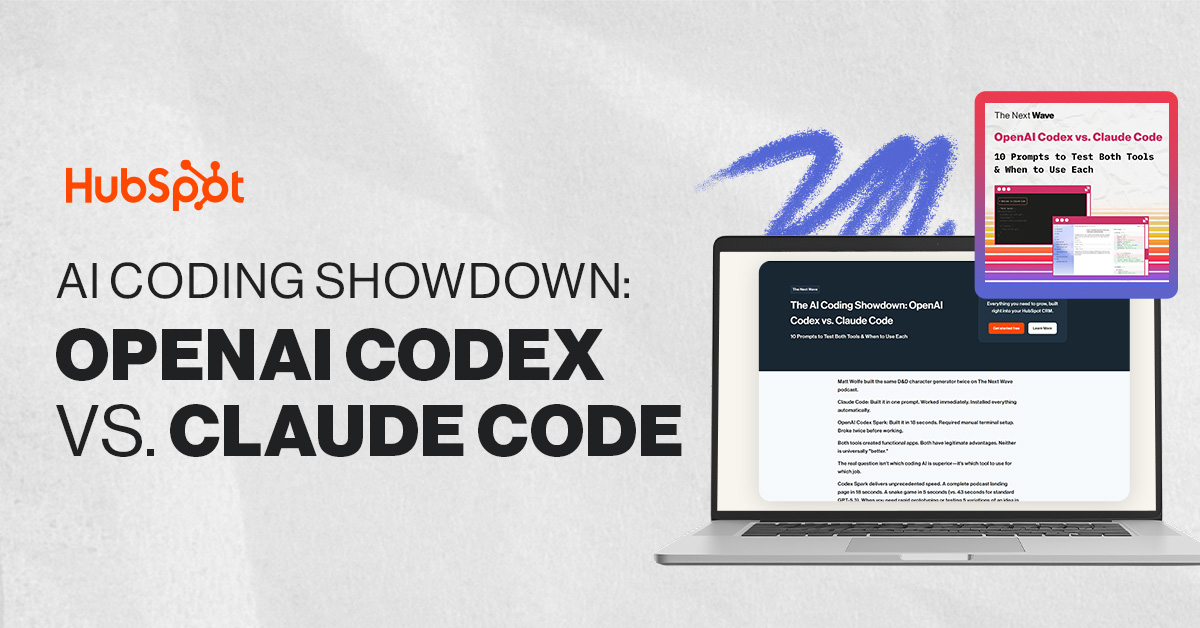
You're Picking the Wrong AI Coding Tool. Here's How to Use Both.
The AI Coding Playbook breaks down exactly what Matt Wolfe discovered testing Codex and Claude Code head-to-head on The Next Wave podcast. They're not rivals, they're a workflow. Codex spins up functional apps in 18 seconds. Claude Code runs with zero configuration. The playbook maps when each tool wins, with side-by-side build results from identical projects and a parallel workflow framework that takes you from rapid prototype to production-ready code.
Key Takeaways:
- Speed vs. complexity routing (know exactly which tool to reach for based on what you're trying to build)
- Side-by-side test results (real outputs from the same app built twice, so you see the difference yourself)
- Parallel workflow framework (a practical system for running both tools in tandem from first prompt to final deploy)
|
|
|
🛠️ Deep Dives
1. Frontnow: An AI-powered e-commerce platform built to improve pre-sales experiences, product discovery, and customer engagement.
Why It's Worth Your Time:
- Adds an intelligent shopping assistant that guides customers through product discovery and purchase decisions.
- Enriches product data with SEO-friendly descriptions and improved product content.
- Integrates with existing shop systems, CRMs, analytics tools, and APIs for scalable e-commerce workflows.
Pricing: Free trial available; subscription plans vary based on business needs.
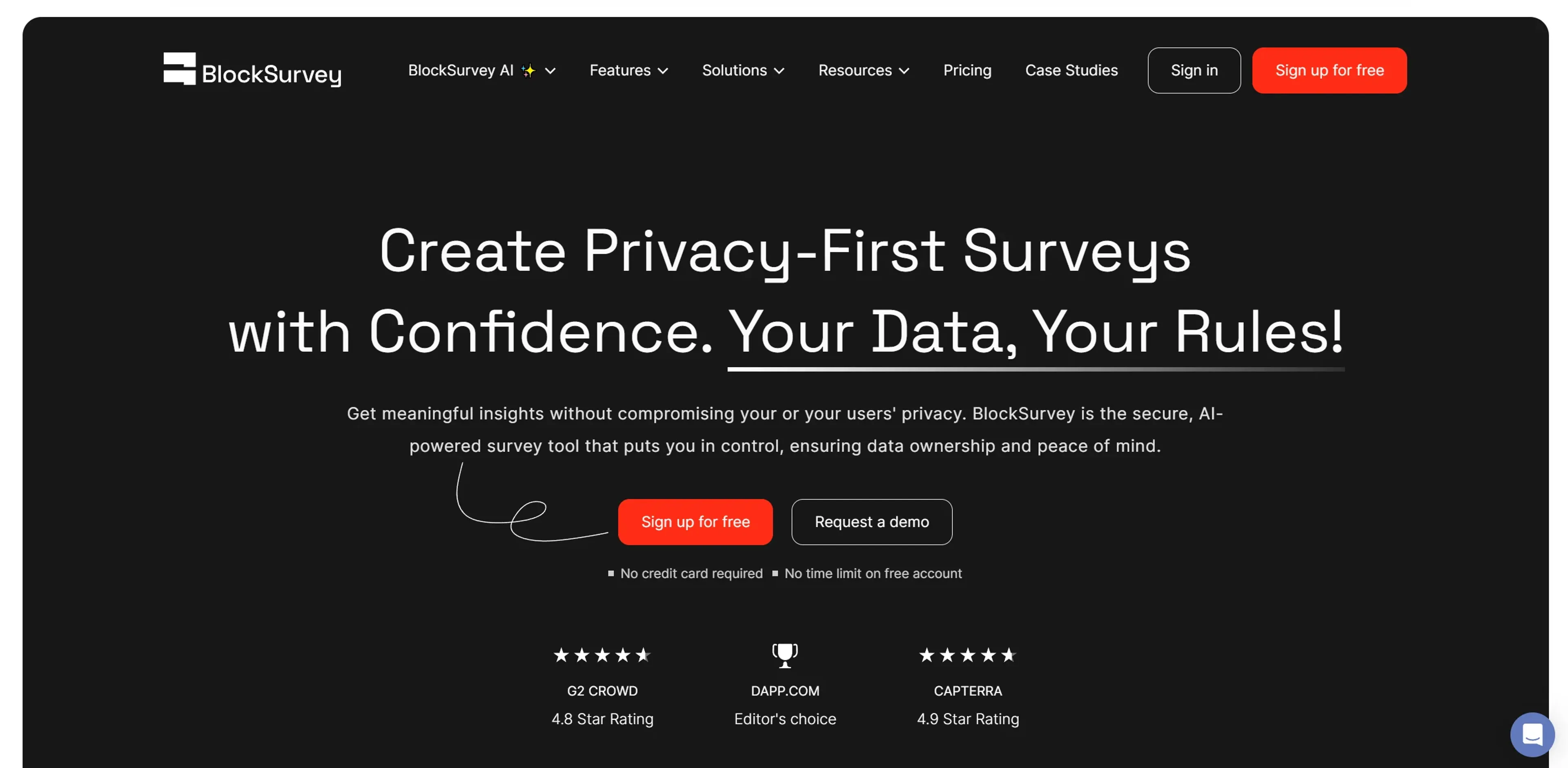
2. Block Survey: A privacy-first survey platform that uses AI to help users create surveys, analyze responses, and protect data ownership.
Why It's Worth Your Time:
- Uses AI to quickly generate survey questions and reduce the time needed to build research forms.
- Protects responses with end-to-end encryption so users keep control of their collected data.
- Supports multilingual surveys and Web3 token-gated forms for broader, more flexible data collection.
Pricing: Free tier available; paid plans start at $29 per month when billed annually, with Premium at $49 per month, Team at $69 per month, and Enterprise at $499 per month.
3. ViSenze: An AI commerce platform that helps retailers improve product discovery with multimodal search, recommendations, and catalog intelligence.
Why It's Worth Your Time:
- Lets shoppers search using text, images, and natural language for a more intuitive buying journey.
- Delivers smart recommendations that help retailers personalize product discovery and increase purchase intent.
- Automates product tagging and provides analytics to make catalogs more searchable and easier to optimize.
Pricing: 30-day free trial available; custom pricing based on business size and needs.
|
⏭️ What's Next
Not long ago, getting anything out of AI meant opening an app and typing. Now it schedules your week and spins up video right on your phone while you're off doing something else. That's the thread running through this issue: AI is quietly moving into the background of your day instead of waiting for you to show up. Before next week, give the coding showdown a look, because the case for running Codex & Claude Code together is hard to argue with.
|
How did we do? |
|
|
|






No hay comentarios:
Publicar un comentario